Masonry Restoration in Chesapeake, VA
Some brick buildings don’t have one problem; they have years of them. Joints eroded along a whole wall, faces spalling in several places, stains under the windows, patches from earlier repairs that never quite matched. Masonry restoration looks at the structure as a whole and puts the work into one plan, with materials that suit the original brick. CMC Chesapeake Masonry restores brick and stone on older homes and commercial buildings in Chesapeake and the surrounding cities.
What Masonry Restoration Involves
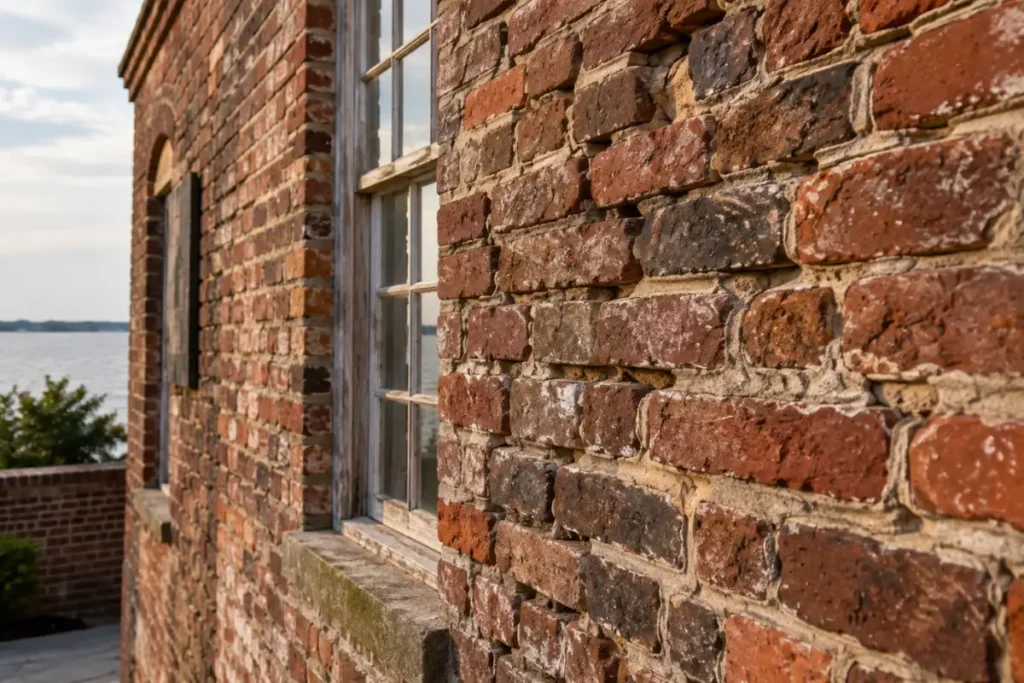
Restoration starts with a different question from repair. Instead of asking what is wrong with this crack, it asks what condition the whole facade, chimney or wall is in, and why.
That assessment usually leads to a combined plan:
- Repointing deteriorated joints with a compatible mortar
- Replacing units that are too damaged to keep, matched to the original brick or stone
- Cleaning where dirt, staining or old coatings need to come off, using the gentlest method that works
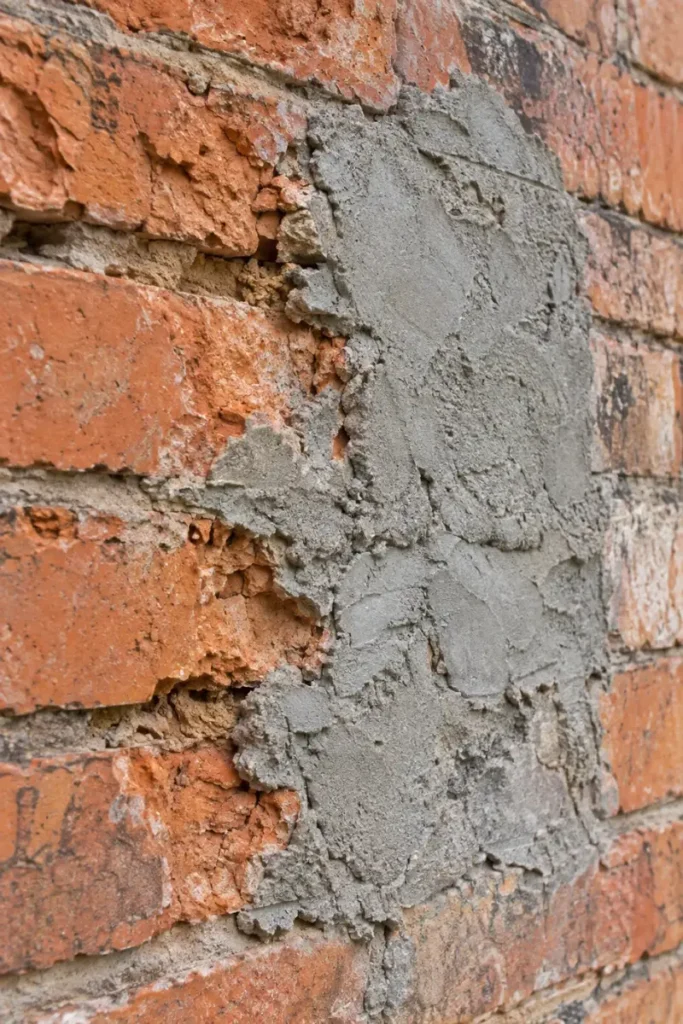
- Correcting past work, such as hard mortar, sealers or mismatched patches that are now causing damage
- Dealing with water sources, so the restored masonry stays sound
The goal is a longer service life for the masonry and a building that still looks like itself afterward.
A note on terms: in historic preservation, the National Park Service uses rehabilitation for repairing a building while preserving its historic character, and restoration for returning it to its appearance at a particular period. Most homeowner masonry restoration is closer to the first meaning: keeping as much original material as possible and making compatible repairs. That is the approach this page describes.
Does Your Masonry Need Repair or Full Restoration?
This is the most important decision on an older masonry building, and getting it wrong in either direction costs money. Patching a wall that is failing everywhere means paying for the same work again and again. Restoring a wall that only had one problem is more than you needed.
When repair is enough
Repair fits damage that is localized, recent or traceable to one cause: a few cracked bricks where a downspout overflowed, a step damaged by impact, a section of wall hit during a storm. The surrounding masonry is sound, and fixing that one area plus its cause solves the problem. That is the work of our masonry and brick repair service.
When restoration makes more sense
Restoration fits deterioration that is widespread, age related or the result of several problems interacting. Typical patterns include mortar eroded across whole elevations rather than in one spot, spalling scattered across a wall instead of in one cluster, water staining on several sides of the building, and repairs failing in different places for the same underlying reason. When causes overlap, such as hard mortar plus trapped moisture plus a failed coping, fixing one at a time rarely works.
Signs that past repairs have failed or caused damage
- Brick edges chipped or spalled next to repointed joints that still look intact
- Patches of mortar or brick in a noticeably different color, texture or joint shape
- Spalling or flaking that started after a sealer or paint was applied
- Cracks that were filled and have reopened
These are signs the earlier work did not suit the wall, and more of the same will not fix it.
How the decision gets made
An assessment looks at the whole building: which elevations are affected, how far deterioration has gone, what earlier work was done and where water is getting in. Sometimes the answer is targeted repair now with a plan for the rest later. Sometimes it is a full restoration done in phases.
Delay has a real cost, but it is usually gradual, not sudden. Masonry that is letting water in tends to deteriorate faster over time as more joints open and more brick takes on water. That is a reason to plan, not a reason to panic. If you see signs of structural movement such as bulging or leaning, though, have it evaluated promptly.
Signs of Widespread Deterioration in Aging Masonry
Older masonry tends to wear in patterns. National Park Service guidance on common problems with brick masonry describes the kinds of deterioration that call for a closer look. On aging buildings, watch for:
- Extensive joint erosion, with mortar recessed or missing across large areas
- Multiple spalled units, often concentrated where water runs or collects: under sills, near the ground, below roof edges and on chimneys
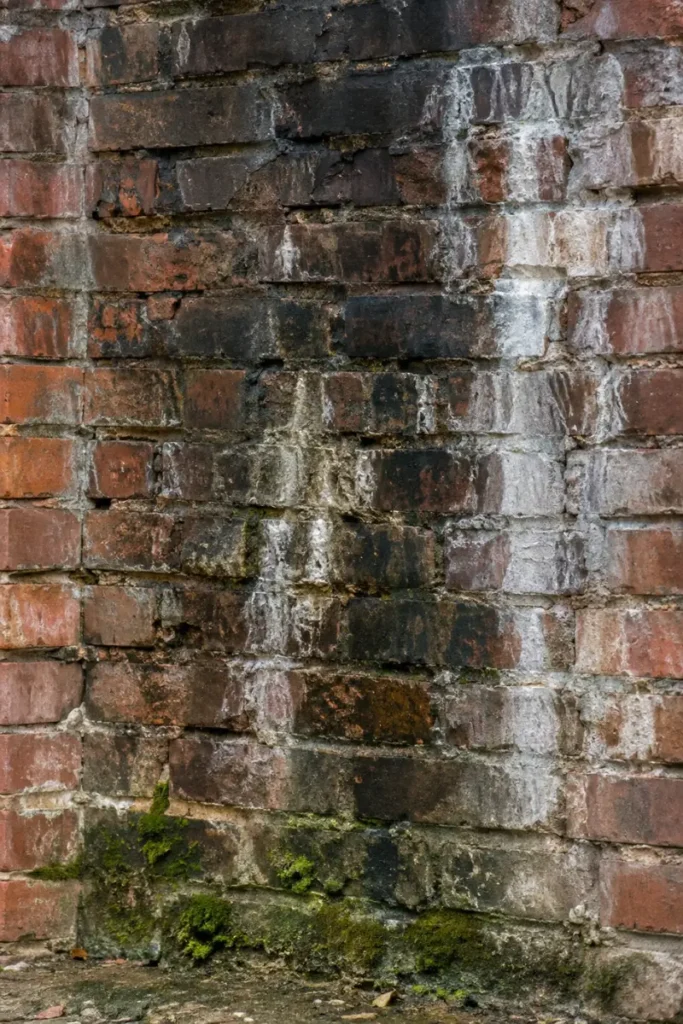
- Staining and efflorescence that follows the path of water
- Bowing or bulging sections, which need evaluation before any other work
One clue is location. When the same damage shows up across a whole elevation, the cause is usually something that affects the whole wall, such as exposure, a failed detail or an incompatible earlier repair, rather than a one off event.
Inside, look for damp patches or stains on walls next to masonry, peeling paint or plaster, and musty areas near chimneys or foundation walls.
Many homes in the historic districts of nearby cities such as Norfolk and Portsmouth have masonry old enough for these patterns to appear.
Correcting Previous Inappropriate Repairs
A lot of restoration work is undoing earlier repairs that were done with good intentions and the wrong materials.
- Hard, portland cement rich mortar on soft brick. National Park Service Preservation Brief 2 explains that replacement mortar should respect the strength and permeability of the original brick. When it doesn’t, the brick takes the stress and moisture instead of the joint. Correcting it means carefully removing the hard mortar and repointing with a compatible mix. Our article on mortar matching for older brick explains why.
- Non breathable sealers, coatings and paint. NPS Preservation Brief 1 and BIA guidance on coatings both warn that treatments which stop masonry from drying can trap moisture behind the surface. Removing them takes testing to find a method that won’t damage the brick.
- Caulked or sealant filled joints. Joints filled with sealant instead of mortar don’t let the wall breathe the way mortar does, and they need to be raked out and properly repointed.
- Mismatched replacement brick. Units that are the wrong size, color or hardness stand out and may weather differently. Where they are causing problems, they can be replaced with a closer match.
Reversing these repairs matters because they keep doing damage. The longer hard mortar or a trapping coating stays on a wall, the more brick is lost.
Preserving Older and Historic Masonry
Preservation work follows a few principles drawn from the National Park Service’s treatment standards: do the least invasive work that solves the problem, repair rather than replace where you can, and use materials compatible with the original. That means matching mortar to the brick, replacing only the units that can’t be kept, and choosing cleaning methods carefully.
It also helps to document the building before work starts. Photographs and notes on existing mortar color, joint profiles and brick types make it possible to match details accurately and show what was done.
Historic district review in nearby cities
Some older neighborhoods in the cities around Chesapeake have local historic review for exterior changes, and the rules differ by city:
- Portsmouth reviews exterior work in local historic districts through a Certificate of Appropriateness process.
- Norfolk has an Architectural Review Board for its local historic districts, with updated design guidelines that apply to applications received on or after June 1, 2026.
- Hampton has historic areas such as Phoebus; current review requirements should be confirmed with the city’s Planning and Zoning office.
Being listed on the Virginia or National Register is not the same thing. Virginia’s Department of Historic Resources explains that register listing by itself does not create local restrictions; local review comes from local historic overlays. Each city page above covers its own process.
Water Intrusion and Long Term Damage
Water drives most long term deterioration in masonry. It gets in through a few main routes:
- Open mortar joints, especially on walls exposed to wind driven rain
- Copings and caps on walls and chimneys that have cracked or lost their mortar
- Failed or missing flashing at roofs, windows and wall bases
- Wicking from the ground, where masonry in contact with damp soil draws moisture upward
Coastal conditions add to this. The nearest long term weather station, at Norfolk’s airport, averages a little over 49 inches of precipitation a year, storms drive rain into walls, and some low lying properties sit in mapped flood zones; the City of Chesapeake’s Floodplain Management page explains how to check an address.
Restoration addresses the source as part of the plan. Repointing and unit replacement come with fixing the coping, the flashing or the drainage that let the water in. Flashing and weep problems on brick clad walls are covered in more depth under brick veneer repair.
Masonry Cleaning as Part of Restoration
Cleaning is often part of restoration, and it is where well meant work does a lot of damage. National Park Service guidance on abrasive cleaning explains how sandblasting and similar methods erode brick faces, and high pressure washing and harsh chemicals can do similar harm. The safer approach starts with the gentlest method likely to work, tested on a small, inconspicuous area before the whole wall is cleaned, and steps up only if needed.
How a Restoration Project Is Planned
- Assessment. The whole structure is inspected: each elevation, the chimney, joints, units, earlier repairs and water sources.
- Documentation. Existing conditions, mortar, brick and joint profiles are recorded.
- Prioritized scope. Work is ranked by urgency, starting with anything letting water in or affecting stability.
- Phasing. Larger restorations can be done in stages, often elevation by elevation, so the work fits a budget and a season.
- The work itself, with matched materials and gentle methods.
Where a property is in a local historic district, review comes before the work starts, and the plan is shaped around what is approved. When a project needs a building permit, we handle it.
Related Services and Areas We Serve
For localized damage, our masonry and brick repair service is usually the better fit. Repointing on its own is covered under tuckpointing and repointing. Older stone walls and foundations are handled through stone masonry, and aging chimneys through chimney repair.
Chesapeake is our primary market. We also restore older masonry in Portsmouth, Norfolk and Hampton, where historic neighborhoods have much of the region’s older brick.
Masonry Restoration FAQ
Is restoration more expensive than repair?
A restoration project is larger than a single repair, so it costs more up front. On a building with widespread problems, though, one planned restoration can cost less over time than a series of repairs that each fix one symptom. Phasing can spread the cost out. A free estimate is the way to compare the options for your building.
Can old brick be saved instead of replaced?
Often, yes. Preservation guidance favors repairing original material where possible. Many old walls need repointing, cleaning and the replacement of only the worst units, not wholesale replacement.
Do I need approval to restore masonry in a historic district?
It depends on whether your property is in a local historic district. Local districts in cities such as Portsmouth and Norfolk review exterior changes; National or Virginia Register listing alone does not create that requirement. Check with your city’s planning office, or see the service area page for your city.
Should old brick be sealed?
Usually not as a first step. Preservation Brief 1 and BIA guidance both caution that coatings can trap moisture, and they distinguish water repellents from waterproofing. The better approach is to find and stop the water source. If a treatment is ever considered, it should be assessed for that specific wall.
Thinking about restoring an older brick home?
Call (757) 290-8274 or request a free restoration estimate.