
Masonry Contractor in Suffolk, VA
Planning new masonry in Suffolk, such as a retaining wall, a brick or stone entrance, a garden wall or a set of steps? Before any of it goes up, the site sets the rules, from waterfront buffers to historic overlays to the soil under the footing. CMC Chesapeake Masonry builds and repairs walls, brick, stone and brick veneer for homes and businesses across Suffolk, from our base in neighboring Chesapeake.
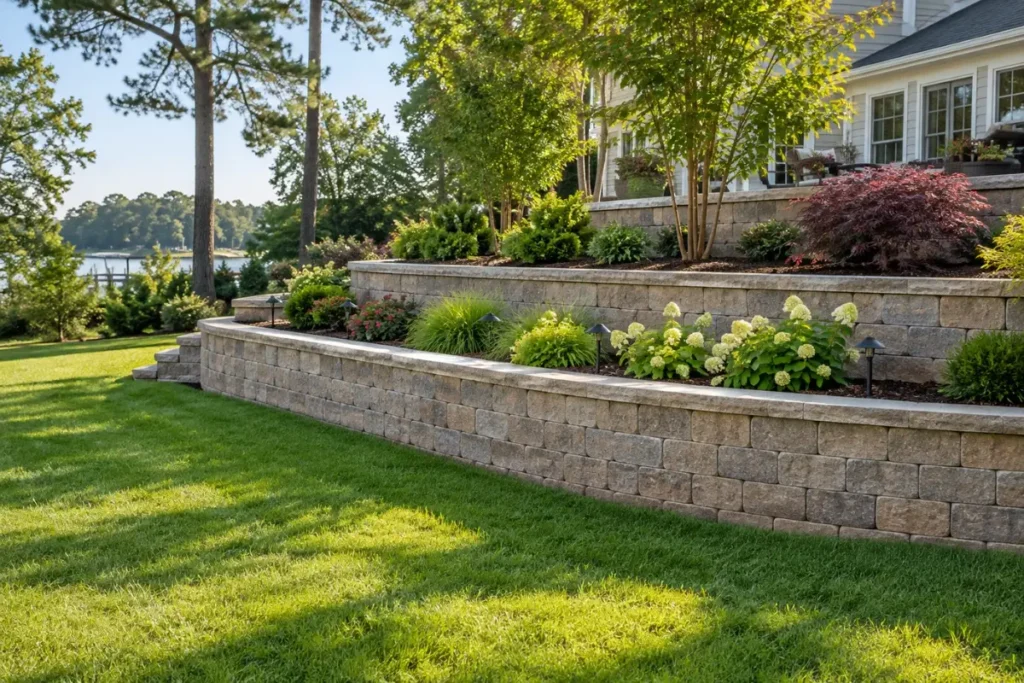
Why Suffolk Masonry Projects Start With the Site
Waterways and the Bay Preservation buffer
Parts of Suffolk along its rivers, creeks and wetlands fall within Chesapeake Bay Preservation Areas. Where a Resource Protection Area applies, the city’s guidance on building in the Chesapeake Bay Preservation Area describes a 100 foot buffer, limits on what can be built in it, and an exception process for some projects. A wall, patio or outdoor feature that looks simple on paper can need separate approval if it’s near the water. It’s one of the first things to check, and it only applies where an RPA is actually present on the property.
Soil and drainage
New masonry is only as good as the ground under it, and soil conditions differ from one property to the next. The USDA’s Web Soil Survey lets you look up the mapped soils for a specific parcel, which is a useful first screen for drainage and water table conditions before a footing or wall base is designed. Retaining walls in particular depend on drainage behind them and a firm, compacted base; a wall built on wet or soft ground without that will move.
Flood maps
The City of Suffolk points residents to FEMA’s flood maps as the official source of flood hazard information, and its GIS includes a FEMA flood map layer. If a project sits near a floodplain, that affects permits and design, so it’s worth checking early.
Historic areas
Suffolk also has a local Historic Overlay District where exterior changes follow local rules and guidelines. That includes hardscape, fences and freestanding walls, which matters for brick and stone projects in the older parts of the city.
Suffolk Homes and Masonry Types
Suffolk combines historic neighborhoods near downtown with rural villages spread across the rest of the city. The Virginia Department of Historic Resources describes the Suffolk Historic District as including more than 200 late nineteenth and early twentieth century houses in New Town, along with earlier residences north of downtown; Washington Square was added in a later expansion. Not all of those homes are brick, and some of the early houses are frame. The city’s planning documents also recognize villages and communities such as Chuckatuck, Driver, Holland and Whaleyville.
That range shows up in the masonry projects people ask about: brick and stone entrances, garden walls and steps on established properties, retaining walls where ground needs to be held back, and brick veneer on homes. On a historic district property, new work also has to fit the character of what’s already there.
Masonry Services for Suffolk Properties
Retaining Walls
Where a slope or bank needs holding back, we build segmental block, brick and stone walls with the drainage and base the site calls for, and check buffer and permit rules first.
Brick Masonry & Bricklaying
New brick walls, steps, mailboxes, columns and outdoor features, built on footings sized for the soil and matched to the house where needed.
Stone Masonry
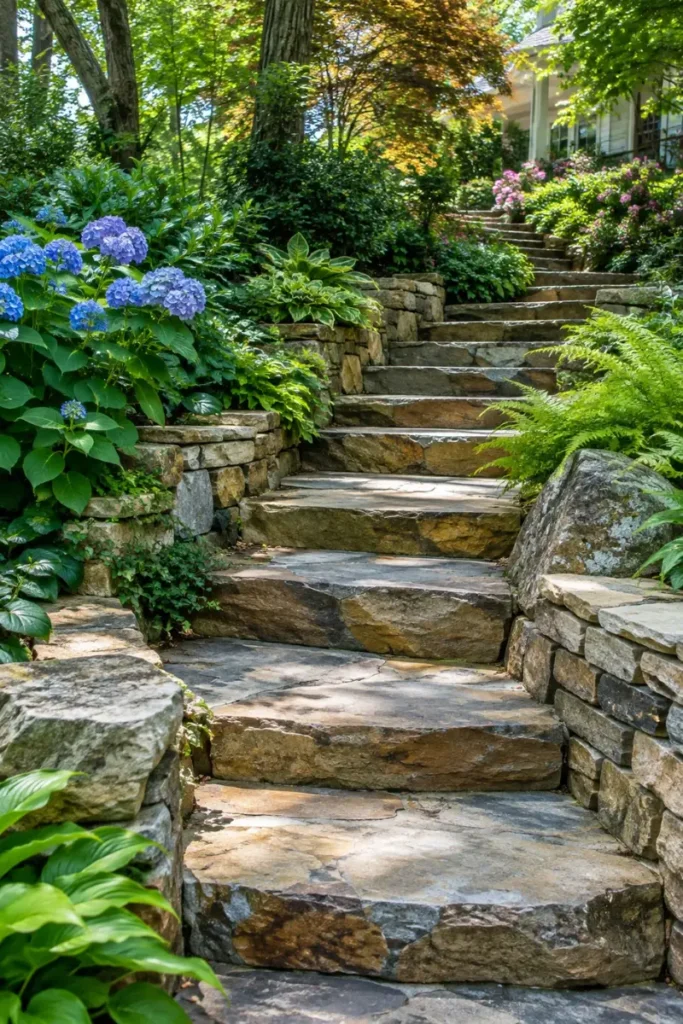
Natural and manufactured stone walls, steps, columns and veneer, including dry stacked and mortared garden walls.
Brick Veneer Repair & Installation
Repair of veneer problems like blocked weeps and failed flashing, and new brick veneer installed with the drainage system it needs.
Permits for Walls and New Masonry in Suffolk
- Retaining walls. Virginia’s statewide building code generally exempts retaining walls supporting less than three feet of unbalanced fill from a building permit, with exceptions for surcharges, impounded liquids and flood hazard areas. The building official can require structural details or calculations, which is where engineered design comes in on taller or loaded walls.
- Fences and boundary walls. Suffolk’s Community Development FAQ notes that a fence permit application needs an application form and a property survey showing the location. Confirm with the city how a freestanding masonry wall is classified for your project.
- Waterfront parcels. Work within a Resource Protection Area buffer follows the city’s Chesapeake Bay Preservation Area rules and may need an exception or separate review.
- Historic Overlay District. Exterior changes, including hardscape and walls, follow the city’s historic district guidelines, adopted August 16, 2023. Work visible from the public right of way is reviewed case by case.
When a project needs a permit, we handle it. Confirm current requirements for your address with the City of Suffolk before work begins.
Suffolk Neighborhoods We Serve
We work throughout Suffolk, including Downtown Suffolk, Olde Towne, New Town, Hall Place, Fairgrounds and Huntersville, and villages and communities such as Chuckatuck/Oakland, Crittenden/Eclipse, Driver, Holland and Whaleyville.
Suffolk Masonry FAQ
Do retaining walls in Suffolk need engineering?
Not always. Many lower walls are built without an engineered design, but taller walls, walls carrying a load such as a driveway, and walls on difficult soil can need one, and the building official can require structural details. CMC Chesapeake Masonry does not provide engineering services; when a wall needs an engineered design, it’s built to that design.
Can you build brick features on rural properties?
Yes. We build brick and stone entrances, columns, mailboxes, garden walls and outdoor features on rural and village properties as well as in town. The main extra considerations on larger or rural sites are soil and drainage under the footing, access for materials, and whether buffers or zoning rules apply.
What should I know about building near wetlands in Suffolk?
Check first whether a Resource Protection Area applies to your property. Where it does, the city describes a 100 foot buffer with limits on new development and an exception route for some projects. That review is separate from the building permit, so it belongs at the very start of planning.
Planning a wall or new brick or stone work in Suffolk?
Call (757) 290-8274 or request a free estimate.