
Masonry Contractor in Virginia Beach, VA
In Virginia Beach, most masonry problems come back to water: rain pushed into walls by coastal storms, salt carried in on the wind, and ground that drains slowly after heavy rain. CMC Chesapeake Masonry repairs brick and brick veneer, builds and repairs retaining walls, and works on chimneys and stonework for homes and businesses across Virginia Beach, serving the city from our base in neighboring Chesapeake.
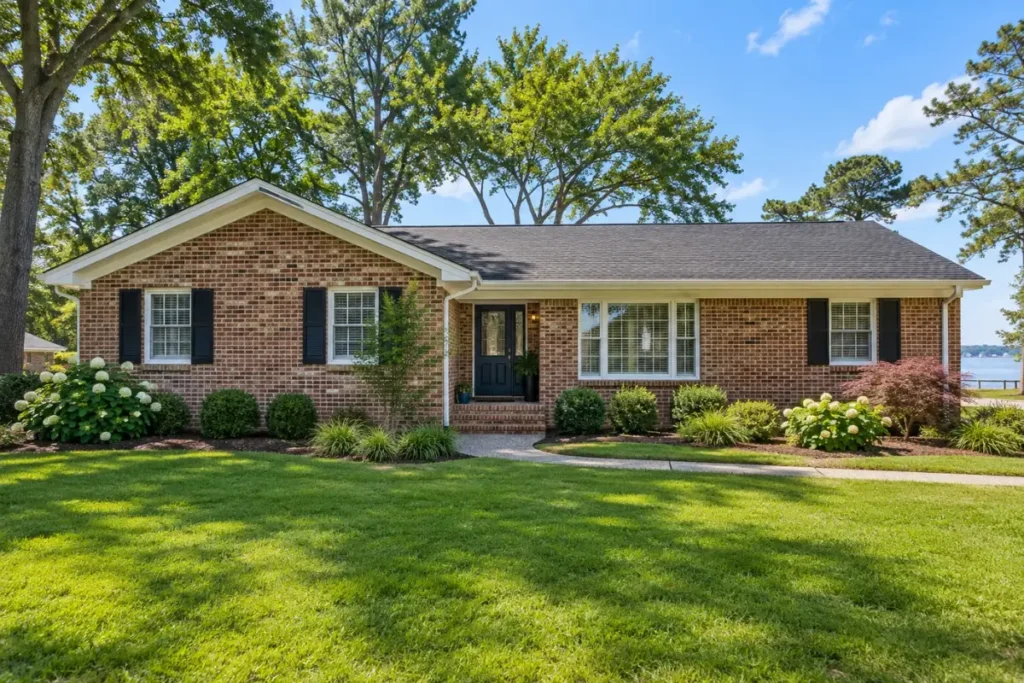
Coastal Conditions Every Virginia Beach Masonry Project Has to Account For
Wind driven rain and storms
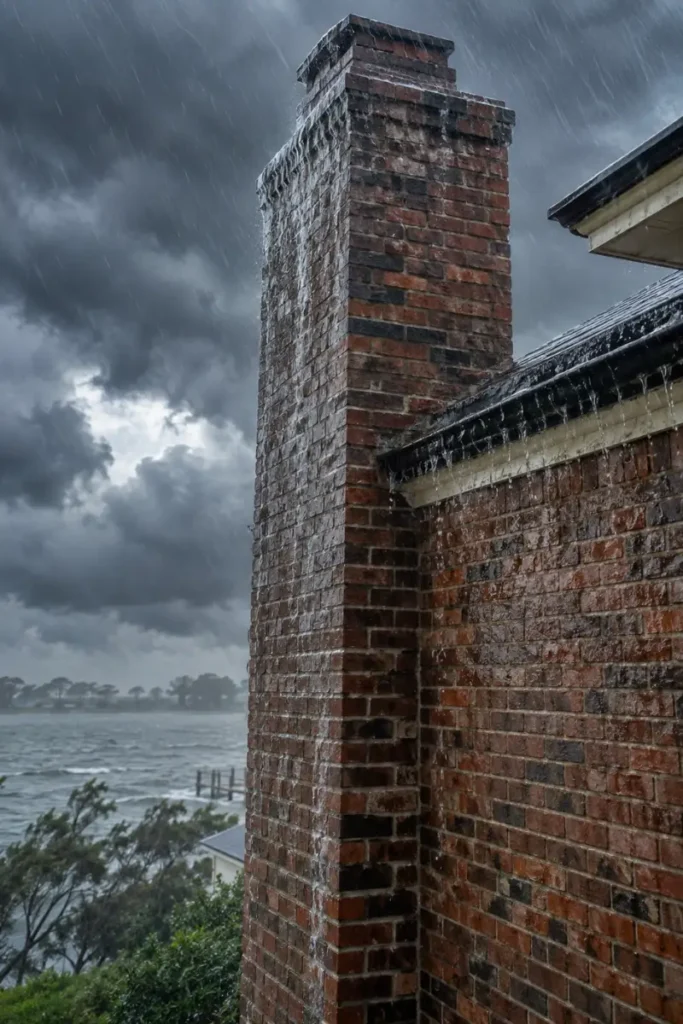
The National Weather Service office in Wakefield, which covers Virginia Beach, describes the wind, heavy rain and storm surge that tropical systems bring to the region, and long nor’easters add days of rain and high water. For masonry, wind matters as much as the rain. Driven sideways, rain gets into mortar joints and through porous brick on the exposed sides of a house, and Brick Industry Association guidance treats that exposure as one of the main factors in how a wall resists water.
Salt near the bay and ocean
On properties near salt water, salt works on masonry in two ways. Salts carried into brick and mortar crystallize as they dry and break the material down from within, which National Park Service repointing guidance describes. Salt and moisture together also speed corrosion of steel, and FEMA’s technical bulletin on corrosion in coastal areas explains how salt spray, wetness and exposure drive it. On a brick clad house, that steel includes the hidden wall ties and the lintels over windows and doors. The effect depends heavily on distance from the water and how sheltered a wall is, so it’s assessed property by property.
Moisture and efflorescence in brick clad walls
Where homes are brick veneer, the wall relies on an air space, flashing and weep holes to drain the water that gets past the brick. When those are blocked or missing, water stays in the wall. White efflorescence that keeps coming back, rust stains at the base of a wall or over a window, and damp spots indoors are common signs that the drainage behind the brick isn’t working.
Drainage and flood prone areas
Parts of Virginia Beach deal with standing water after heavy rain and high tides. The city’s Public Works department has carried out flood protection projects in Windsor Woods, Princess Anne Plaza and The Lakes, including tide gates, pumps and stormwater storage. For masonry, slow drainage affects foundations, steps, low garden walls and retaining walls, all of which need water to move away from them. Masonry alone doesn’t fix flooding, but a wall or step built without drainage in a wet area won’t last. The city’s floodplain management page is the place to check a specific address.
Virginia Beach Homes and Masonry Types
Virginia Beach’s housing ranges widely in age and style. Some neighborhoods are documented as historic. In the northwest of the city, the Chesapeake Beach Historic District, not to be confused with the city of Chesapeake, is an early twentieth century bayfront community that keeps its street grid and beach cottage character; it was added to the National Register in October 2024. The city’s Historic Preservation Commission also recognizes historic communities including Beechwood, Burton Station, New Light and Queen City.
Across the rest of the city, masonry shows up as brick clad walls, chimneys, front steps, garden walls and retaining walls. Because exposure varies so much between a bayfront cottage, an inland neighborhood and a lot in a low lying drainage area, the same repair can call for a different approach from one property to the next.
Masonry Services for Virginia Beach Properties
Masonry & Brick Repair
Cracked, spalled and storm damaged brick, block and stone are replaced and matched, with the water source behind the damage dealt with as part of the repair.
Brick Veneer Repair & Installation
On brick clad homes, blocked weeps, failed flashing, corroded ties and rusting lintels are the problems coastal moisture brings out. We repair them and install new veneer.
Retaining Walls
In yards that hold water, a retaining wall depends on its drainage and base. We build block, brick and stone walls and repair ones that are leaning or washing out.
Chimney Repair
Chimneys catch more wind driven rain than any other part of a house. Cracked crowns, failed flashing and worn joints are the usual sources of leaks.
Stone Masonry
Stone veneer, walls, steps and columns, installed with the drainage details that keep moisture from getting trapped behind the stone.
Permits for Masonry Work in Virginia Beach
Several different approvals can apply, depending on the project.
- Walls near the street. Virginia Beach’s fence and wall bulletin requires a permit to build, rebuild, replace or move a fence or wall within 30 feet of a public right of way, with an exception for agricultural or horticultural use in agricultural districts. That is a zoning permit, separate from the building code.
- Retaining walls. Under Virginia’s statewide building code, retaining walls supporting less than three feet of unbalanced fill are generally exempt from a building permit, with exceptions for surcharges, impounded liquids and flood hazard areas.
- Waterfront and watershed areas. The city’s residential building permits page notes that new structures in Chesapeake Bay Preservation Areas, flood zones or the Southern Rivers Watershed may need additional environmental approvals.
- Historic districts. The city’s Historical Review Board reviews new development and exterior changes within designated Historic and Cultural Districts. National Register listing, as in Chesapeake Beach, is a separate recognition.
When a project needs a permit, we handle it. Confirm current rules for your address with the City of Virginia Beach before work starts.
Virginia Beach Neighborhoods We Serve
We work throughout Virginia Beach, including historic communities such as Chesapeake Beach, Beechwood, Burton Station, New Light and Queen City, and neighborhoods like Windsor Woods, Princess Anne Plaza and The Lakes, where drainage shapes how walls, steps and foundations should be built.
Virginia Beach Masonry FAQ
Does salt air damage brick and mortar?
It can, on properties close enough to salt water. Salts carried into brick and mortar can break them down as they crystallize, and salt speeds corrosion of the steel ties and lintels inside brick clad walls. How much depends on distance from the water and how exposed the wall is, so it’s worth assessing on the building itself.
Do I need a permit for a retaining wall in Virginia Beach?
It depends on two separate rules. Under the state building code, walls supporting less than three feet of unbalanced fill are generally exempt, with exceptions. Separately, any wall within 30 feet of a public right of way needs a city zoning permit. Waterfront and watershed areas can add environmental review. We handle the permit when one is needed.
How should brick veneer be checked after a storm?
Walk the outside of the house once it’s safe. Look for new cracks, especially over windows and doors; any section that bulges or looks out of line; weep holes at the base that are blocked by debris or mulch; and rust staining. Inside, check walls and ceilings near windows for new damp spots. Anything that has moved or bulges should be looked at promptly; our brick veneer page explains the warning signs.
Need masonry work on a Virginia Beach property?
Call (757) 290-8274 or request a free estimate.